
In this guide
Record what you can see from the ground
When is a limited repair worth discussing?
When should a broader replacement be evaluated?
The short answer: Visible damage is a reason to investigate, not automatic proof that the whole house needs new siding. The decision depends on how widespread the problem is, what caused it and whether a durable repair can be detailed and matched.
Record what you can see from the ground
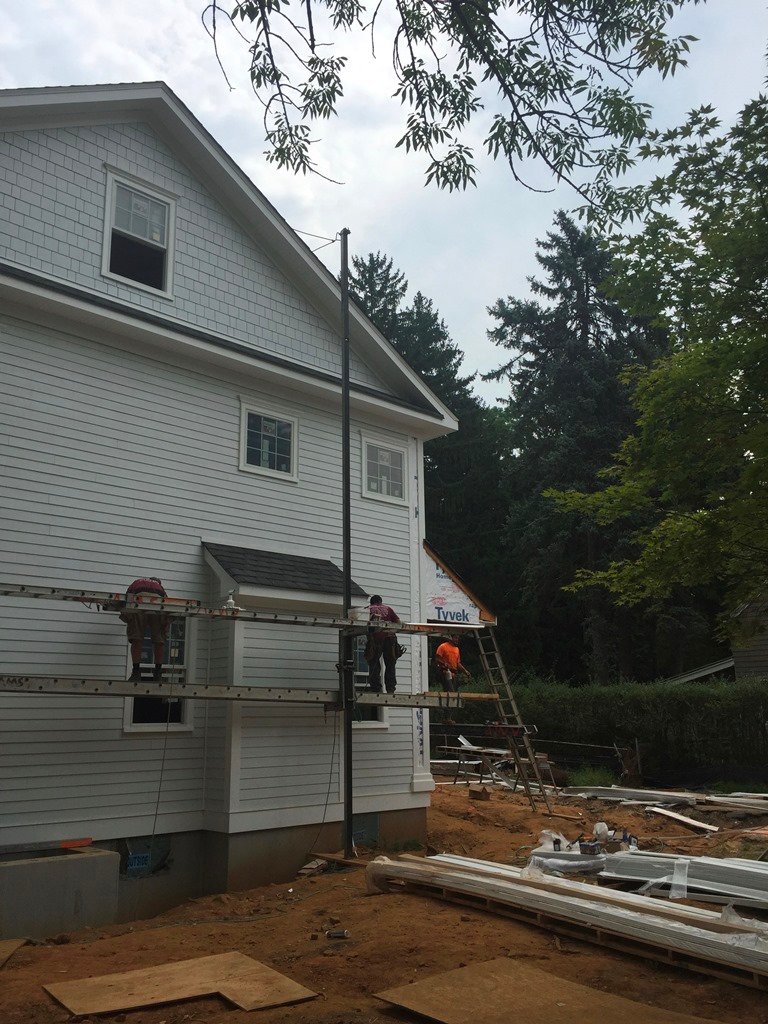
Begin with a simple photo record of each side of the building. Note loose or missing pieces, cracked areas, visible gaps, damaged trim and spots where the appearance has changed. Write down when you first noticed the issue and whether it followed a storm, other construction work or a period of recurring moisture.
Keep observation separate from diagnosis. A stain is an observation; identifying its source requires investigation. Photos help explain the concern, but they do not reveal everything behind the siding. Avoid pulling materials off the wall to investigate on your own.
When is a limited repair worth discussing?
A limited problem may justify a limited scope when the surrounding assembly is suitable to remain. Ask whether replacement pieces can be sourced, what the finished repair will look like and how the underlying cause will be addressed. Discuss visible color or texture differences before agreeing to the work.
For example, replacing a damaged panel and rebuilding a deteriorated opening are not equivalent tasks. Ask the estimator to define both the affected area and the work around it. A proposal should explain the repair boundary rather than merely promising to “fix siding.”
When should a broader replacement be evaluated?
Request a replacement option when several elevations have problems, repairs keep recurring, matching is impractical or a larger exterior renovation is already planned. These are reasons to compare options; they are not a diagnosis that can be made from a blog article.
If windows, trim and siding all need attention, ask whether a coordinated scope would provide a more coherent result than separate projects. Compare the cost and disruption of each plan. Preserve the option of a smaller repair when it can meet your needs; a larger project should have a clear justification.
Ask about the water-management details
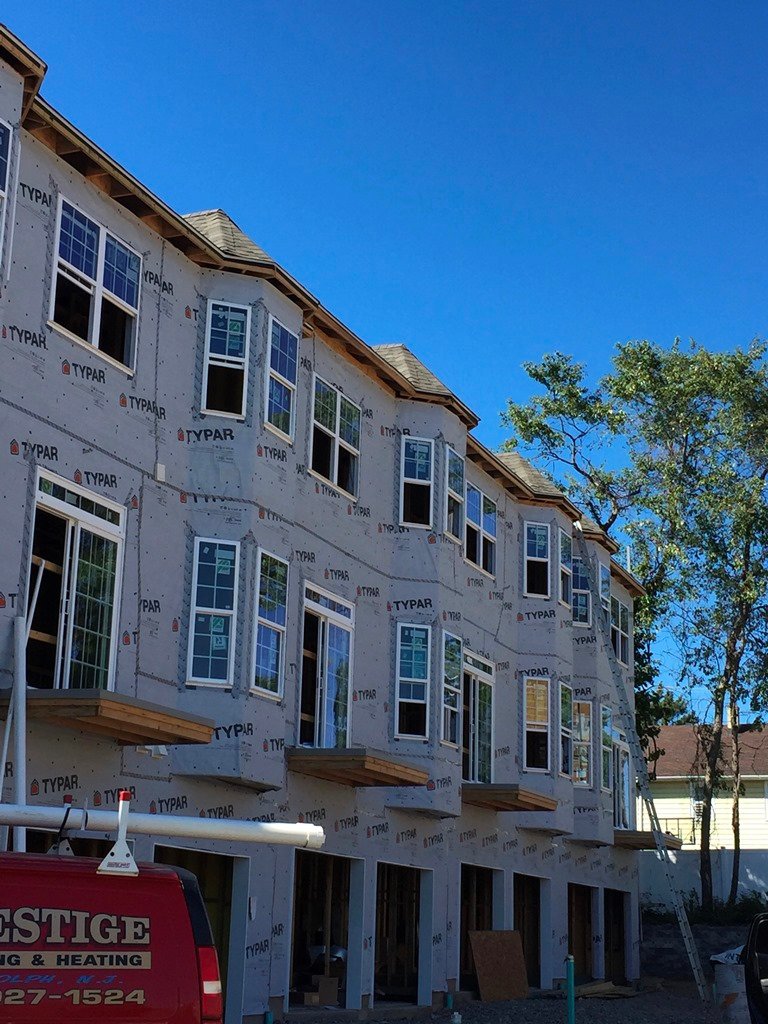
The visible cladding is only part of the exterior. PNNL’s moisture-control guidance discusses the role of drainage and flashing in keeping building assemblies dry. Ask the contractor to explain how the proposed repair fits with those surrounding details, especially where the wall meets a roof or an opening.
A homeowner-friendly explanation should identify what will be inspected, what can be confirmed before removal and what might become clear only during the work. Ask how additional findings will be photographed and approved before the scope changes.
Questions homeowners ask
Does faded siding have to be replaced?
A color change alone does not determine the condition of the wall assembly. Discuss appearance goals separately from problems that affect attachment or water management.
Can a photo confirm hidden damage?
No. A photograph can document visible conditions and help plan an assessment, but it cannot establish the condition of concealed materials.
What should I include in my inquiry?
Send the town, affected side of the building, approximate extent, when it began and whether you have noticed an indoor issue nearby. State whether you want a repair option, replacement option or both.
Plan your New Jersey project
Explore our siding services, or request a free estimate with your town, property type and the work you want to discuss.